On The Frontier Of The Hunt For Signs Of Life On Early Earth And Ancient Mars

Seldom does one rock outcrop get so many visitors in a day, especially when that outcrop is located in rugged, frigid terrain abutting the Greenland Ice Sheet and can be reached only by helicopter. But this has been a specimen of great importance and notoriety since it appeared from beneath the snow pack some eight …

Exploring Early Earth by Using DNA As A Fossil

Paleontology has for centuries worked to understand the distant past by digging up fossilized remains and analyzing how and why they fit into the evolutionary picture.  The results have been impressive. But they have been limited.  The evolutionary picture painted relies largely on the discovery of once hard-bodied organisms, with a smattering of iconic finds …

“Agnostic Biosignatures,” And The Path To Life As We Don’t Know It

Biosignatures -- evidence that says or suggests that life has once been present -- are often very hard to find and interpret. Scientists examining fossilized life on Earth can generally reach some sort of agreement about what is before them, but what about the soft-bodied or even single-celled organisms that were the sum total of …

Curiosity Rover as Seen From High Above by Mars Orbiter

This is Apollo memory month, when the 50th anniversary arrives of the first landing of astronauts on the moon.  It was a very big deal and certainly deserves attention and applause. But there's something unsettling about the anniversary as well, a sense that the human exploration side of NASA's mission has disappointed and that its …

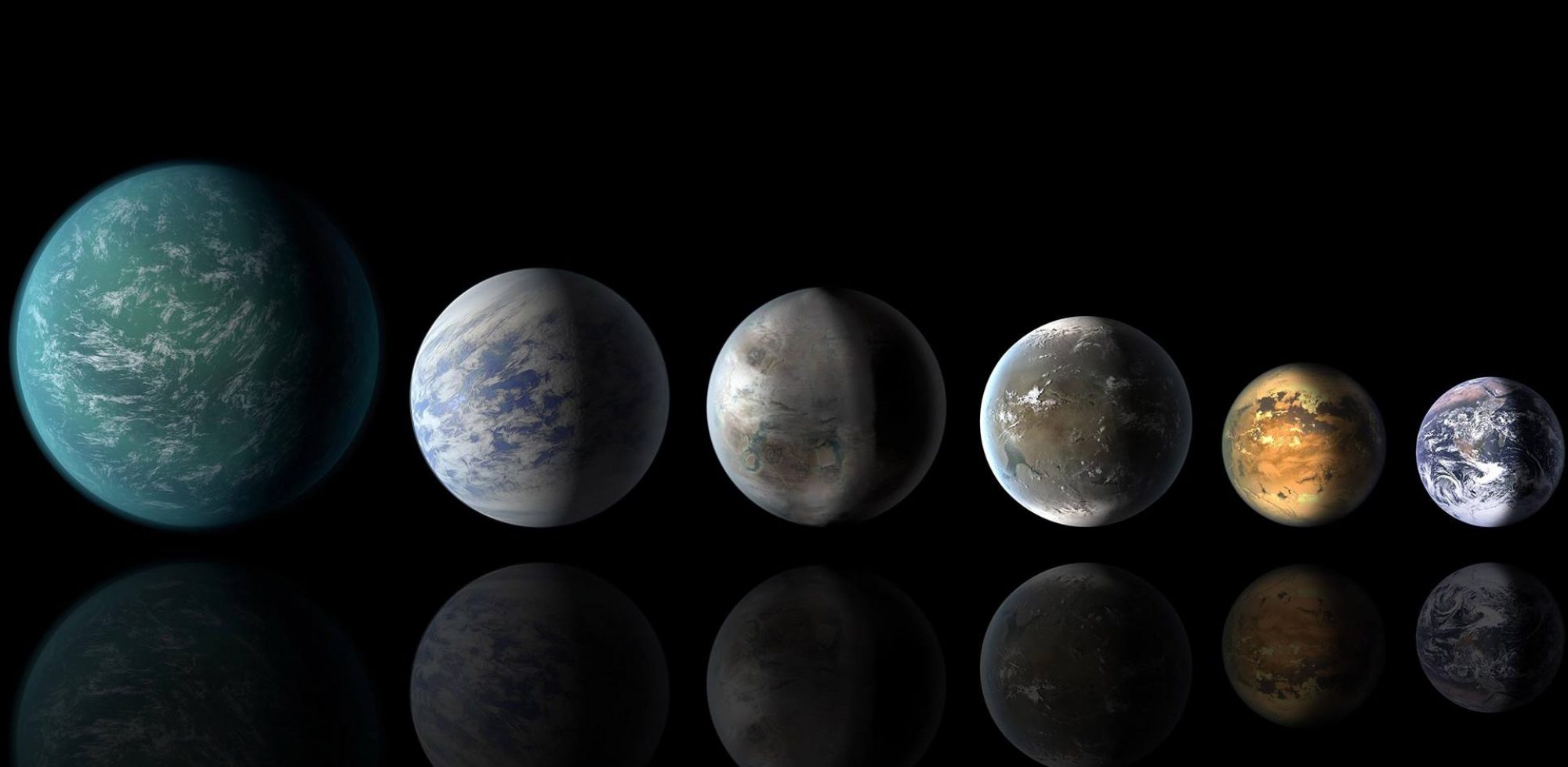
The Interiors of Exoplanets May Well Hold the Key to Their Habitability

The quest to find habitable -- and perhaps inhabited -- planets and moons beyond Earth focuses largely on their location in a solar system and the nature of its host star,  the eccentricity of its orbit, its size and rockiness, and the chemical composition of its atmosphere, assuming that it has one. Astronomy, astrophysics, cosmochemistry …