How Radioactive Elements May Make Planets Suitable or Hostile to Life

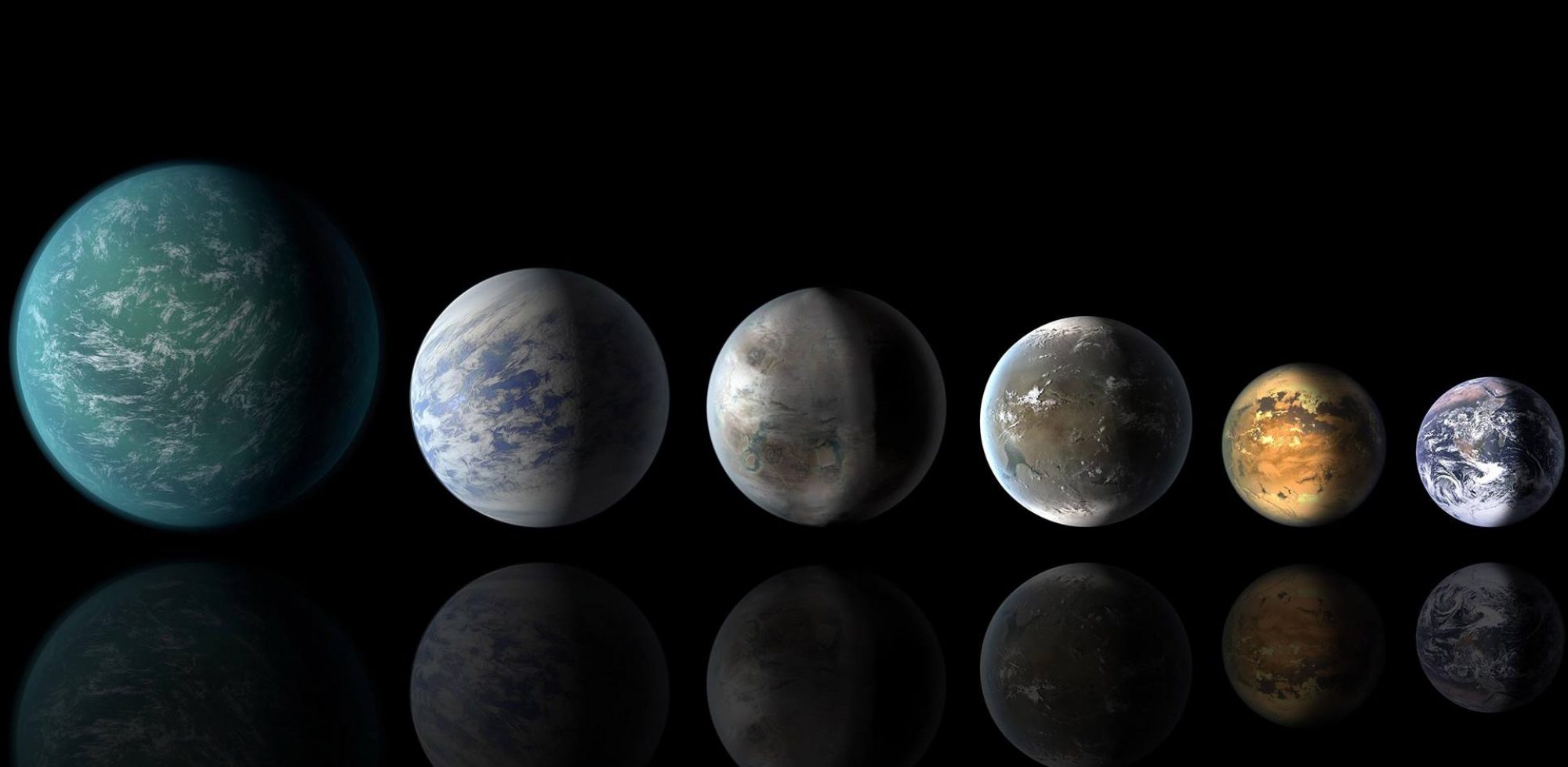
When describing exoplanets that are potentially promising candidates for life, scientists often use the terminology of the "habitable zone."  This is a description of planets in orbit where temperatures, as predicted by the distance from the host star,  are not too cold for liquid water to exist on a planetary surface and also not to …

For First Time, Tiny CubeSat Locates a Distant Exoplanet

  The image above, courtesy of NASA's Jet Propulsion Laboratory, shows the CubeSat ASTERIA as it was being launched from the International Space Station in 2017. The size of a briefcase, ASTERIA is part of a growing armada of tiny spacecraft being launched around the world and adding an increasingly important (and inexpensive) set of …

The WFIRST Space Observatory Becomes the Nancy Grace Roman Space Telescope. But Will it Ever Fly?

Earlier last week, NASA put out a release alerting journalists to  "an exciting announcement about the agency’s Wide Field Infrared Survey Telescope (WFIRST) mission." Given the controversial history of the project -- the current administration has formally proposed cancelling it for several years and the astronomy community (and Congress) have been keep it going -- …

Have We Photographed Our Nearest Planetary System?

https://videopress.com/v/FRkiDN2V?posterUrl=https%3A%2F%2Fmanyworlds.space%2Fwp-content%2Fuploads%2F2020%2F04%2Fproxima_centauri_c_manysmallrocks.png&preloadContent=metadata Artist impression of Proxima Centauri c. Press "HD" on the player for the best image quality (E. Tasker). The discovery of Proxima Centauri b in 2016 caused a flood excitement. We had found an extrasolar planet around our nearest star, making this the closest possible world outside of our solar system! But despite its …