How Radioactive Elements May Make Planets Suitable or Hostile to Life

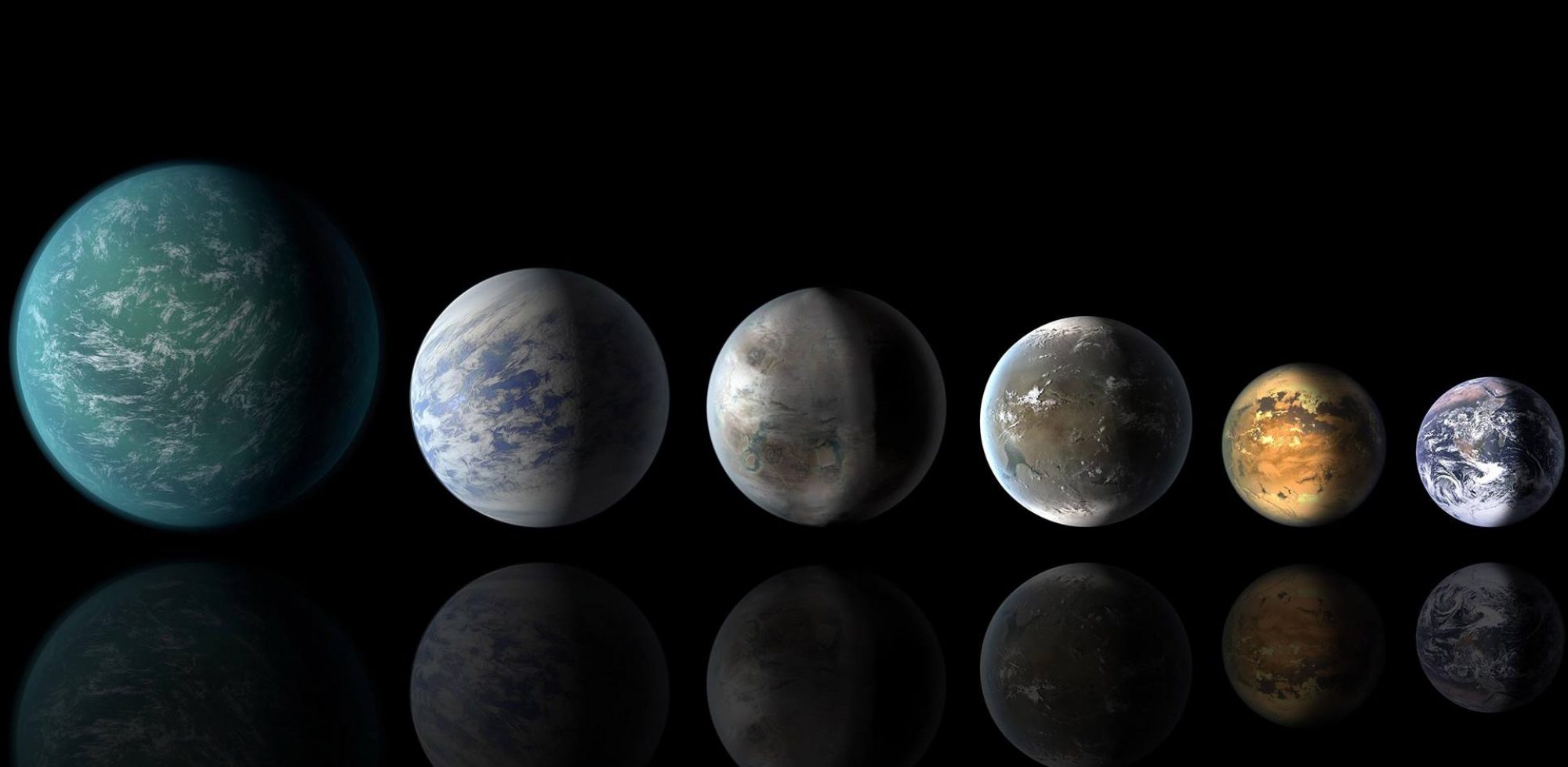
When describing exoplanets that are potentially promising candidates for life, scientists often use the terminology of the "habitable zone."  This is a description of planets in orbit where temperatures, as predicted by the distance from the host star,  are not too cold for liquid water to exist on a planetary surface and also not to …

Strong Doubts Arise About the Reported Phosphine Biosignature in the Atmosphere of Venus

What started as a stunning announcement that the chemical phosphine -- a known byproduct of life -- had been found in the clouds of Venus and could signal the presence of some lifeform has now been strongly critiqued by a number of groups of scientists.   As a result, there is growing doubt that the finding, …

Surprising Insights Into the Asteroid Bennu’s Past, as OSIRIS-REx Prepares For a Sample-Collecting “Tag”

Long before there was an Earth, asteroids large and small were orbiting our young sun.  Among them was one far enough out from the sun to contain water ice, as well as organic compounds with lots of carbon.  In its five billion years or so as an object,  the asteroid was hit and broken apart …

Could Life Exist in the Clouds of Venus?

Nightside of Venus captured with the IR2 (infrared) camera on JAXA's Akatsuki climate orbiter (JAXA). On September 14 at 3pm GMT, an embargo lifted on a research paper reporting evidence for biological activity on Venus. Speculation about the discovery had been spreading rapidly through social media for several days, proving that scientists are incapable of …