Jupiter's moon Europa is almost five times as far away from the sun as Earth is, with surface temperatures that don't rise above minus 260 degrees Fahrenheit. It's slightly smaller than our moon and orbits but 400,000 miles from the solar system's largest planet, which it takes but 3.5 Earth days to orbit. As a …
For First Time, Tiny CubeSat Locates a Distant Exoplanet
The image above, courtesy of NASA's Jet Propulsion Laboratory, shows the CubeSat ASTERIA as it was being launched from the International Space Station in 2017. The size of a briefcase, ASTERIA is part of a growing armada of tiny spacecraft being launched around the world and adding an increasingly important (and inexpensive) set of …
Continue reading "For First Time, Tiny CubeSat Locates a Distant Exoplanet"
Mapping Titan, the Most Earth-Like Body in Our Solar System
Saturn's moon Titan has lakes and rivers of liquid hydrocarbons, temperatures that hover around -300 degrees Fahrenheit, and a thick haze that surrounds it and has cloaked it in mystery. An unusual place for sure, but perhaps what's most unusual is that Titan more closely resembles Earth of all the planets and moons in our …
Continue reading "Mapping Titan, the Most Earth-Like Body in Our Solar System"
PIXL: A New NASA Instrument For Ferreting Out Clues of Ancient Life on Mars
The search for life, or signs of past life beyond Earth is now a central issue in space science, is central to the mission of NASA, and is actually a potentially breakthrough discovery in the making for humanity. The scientific stakes could hardly be higher. But identifying evidence of ancient microbial life – and …
Continue reading "PIXL: A New NASA Instrument For Ferreting Out Clues of Ancient Life on Mars"
Retro Exo and Its Originators
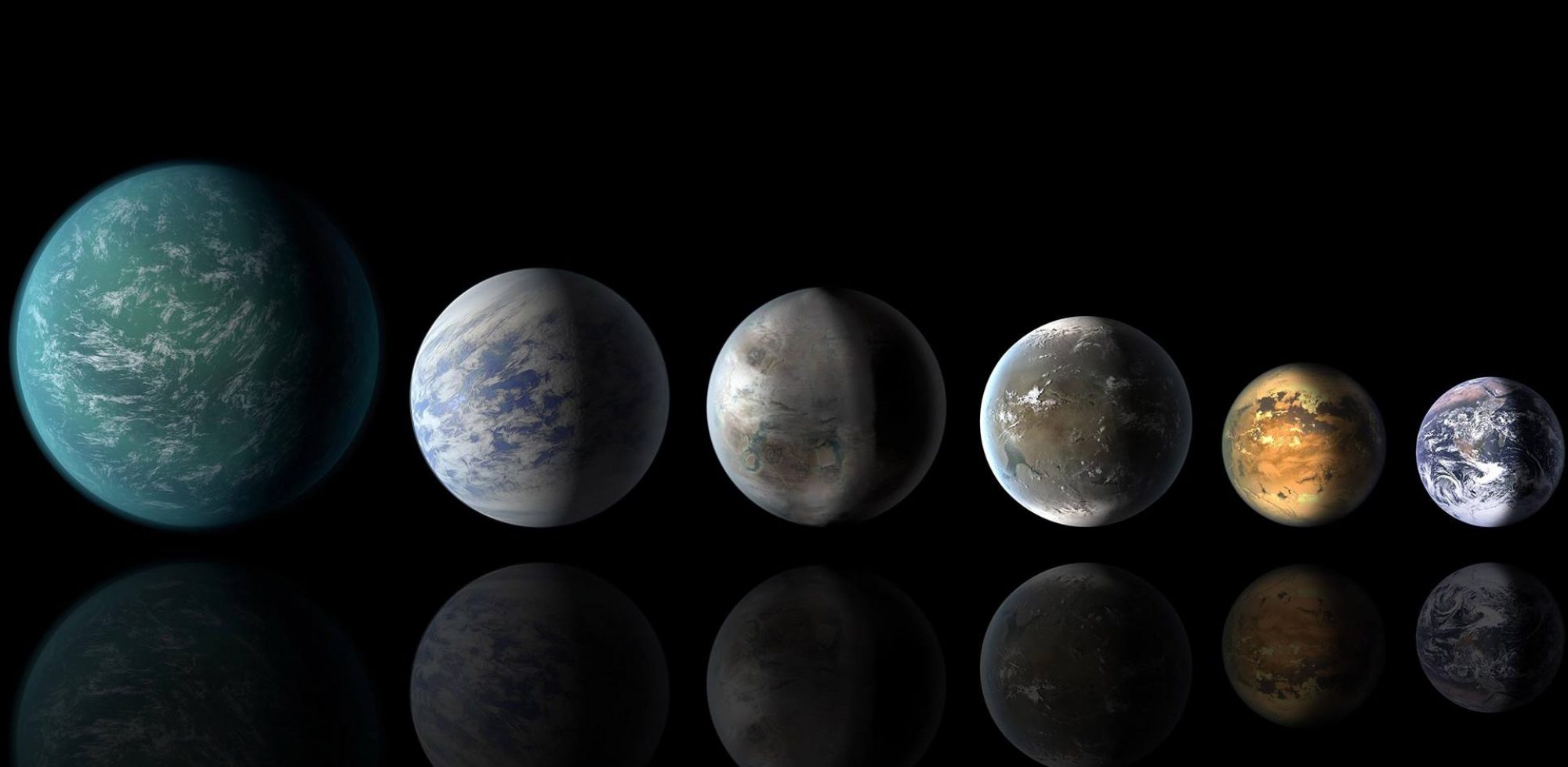
Exoplanets are mysterious, they're complicated, they're important, they're awe-inspiring. And, to a team of artists at the Jet Propulsion Lab, they're also totally fun. They're a topic for endless artistic creation because they're that remarkable combination of brand new and, surprisingly, comfortably familiar. Exoplanets may be weird and wild but they're also potentially home …
 Many Worlds