NExSS 2.0

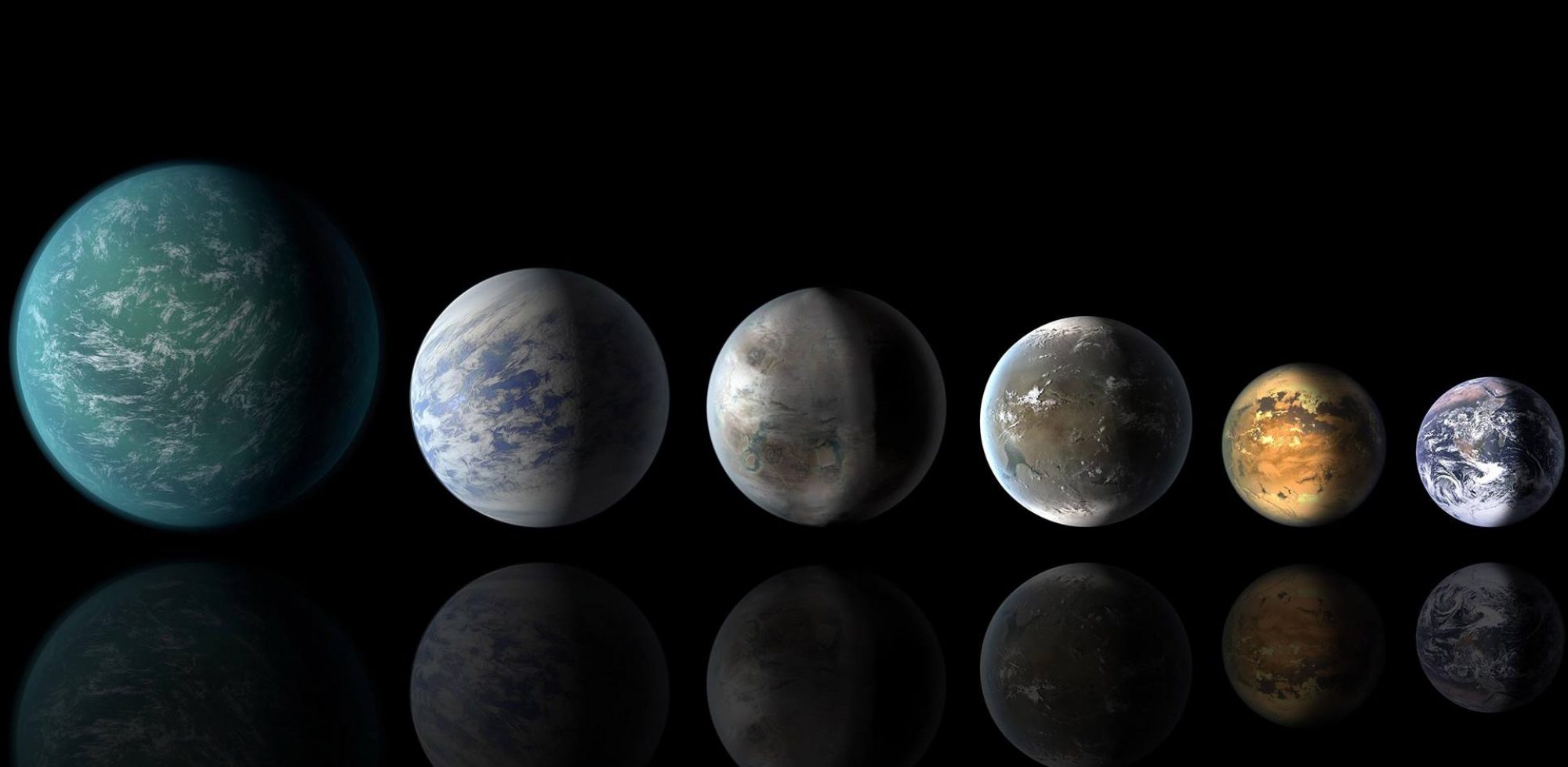
  The Nexus for Exoplanet System Science, or “NExSS,”  began four years ago as a NASA initiative to bring together a wide range of scientists involved generally in the search for life on planets outside our solar system. With teams from seventeen academic and NASA centers, NExSS was founded on the conviction that this search …

The “Twin Study,” and What it Does and Does Not Say About The Health Hazards of Space Travel

  When Buzz Aldrin became the second man to ever walk on the moon, his lunar escapades, along with those of Neil Armstrong,  were a cause of national and pretty much global joy, wonder and pride.   That the mission was hazardous was self-evident -- from launch to the ad-lib and hair-raising landing on the moon, …

A Significant Advance: Primitive Earth Life Survives an 18-Month Exposure to Mars-Like Conditions in Space

The question of whether simple life can survive in space is hardly new, but it has lately taken on a new urgency. It is not only a pressing scientific question -- might life from Mars or another body have seeded life on Earth?  Might organisms similar to extreme Earth life survive Mars-like conditions? -- but …

Ancient Mars Water. Ever More of It, and Flowing Ever Longer on the Surface

  Rather like a swollen river overflowing its banks, the story of water on Mars keeps on rising and spreading in quite unpredictable ways. While the planet is now inarguable parched -- though with lots of polar and subsurface ice and, perhaps, some seasonal surface trickles -- data from the Curiosity rover, the Mars Reconnaissance …

A New and Revelatory Window Into Evolution on Earth

Virtually every definition of the word "life" includes the capability to undergo Darwinian evolution as a necessary characteristic.  This is true of life on Earth and of thinking about what would constitute life beyond Earth.  If it can't change, the thinking goes, then it cannot be truly alive. In addition, evolutionary selection and change occurs …