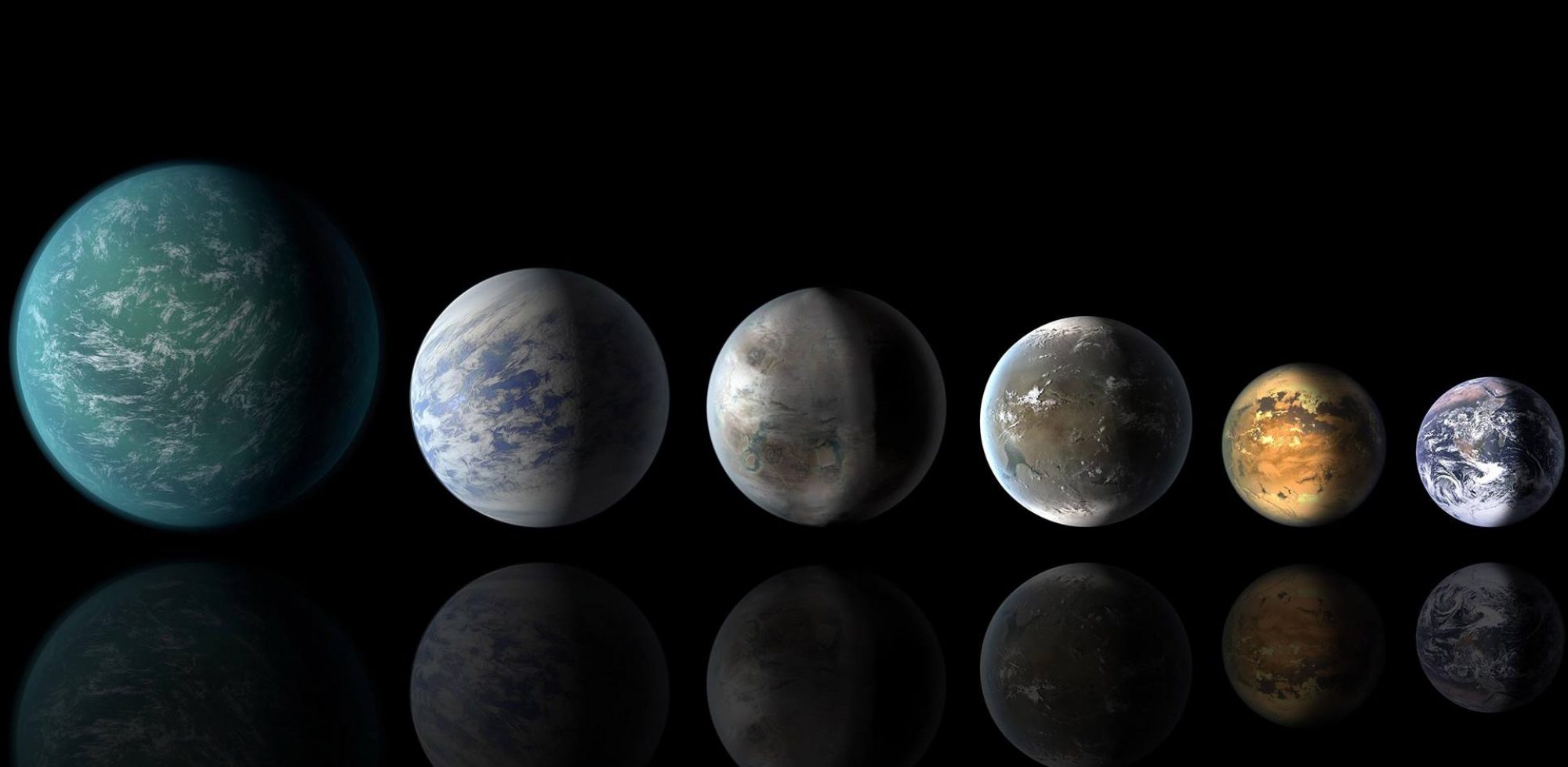
Forget the "Habitable Zone," Think the "Biogenic Zone"

  It is hardly surprising that in this burgeoning exoplanet era of ours, those hitherto unknown planets get most of the attention when it comes to exo-solar systems.  What are the planet masses?  Their orbits?  The chemical makeup of their atmospheres? Their potential capacity to hold liquid surface water and thereby become "habitable." Less frequently …

Big Bangs

What can get the imagination into super-drive more quickly than the crashing of really huge objects? Like when a Mars-sized planet did a head-on into the Earth and, the scientific consensus says, created the moon.  Or when a potentially dinosaur-exterminating asteroid heads towards Earth, or when what are now called  "near-Earth objects" seems to be …

Shredding Exoplanets, And The Mysteries They May Unravel

One of the seemingly quixotic goals of exoplanet scientists is to understand the chemical and geo-chemical compositions of the interiors of the distant planets they are finding.   Learning whether a planet is largely made up of silicon or magnesium or iron-based compounds is essential to some day determining how and where specific exoplanets were …

Einstein, Cosmic Religion and the "Unaffiliated"

Spending time immersed in the world of exoplanets raises questions of all sorts, and some lead down unexpected pathways. In the aftermath of the 100th anniversary of the publication of Einstein's General Theory of Relativity, another part of the great man’s legacy has entered into my life in a way both surprising and satisfying.   I’ll …