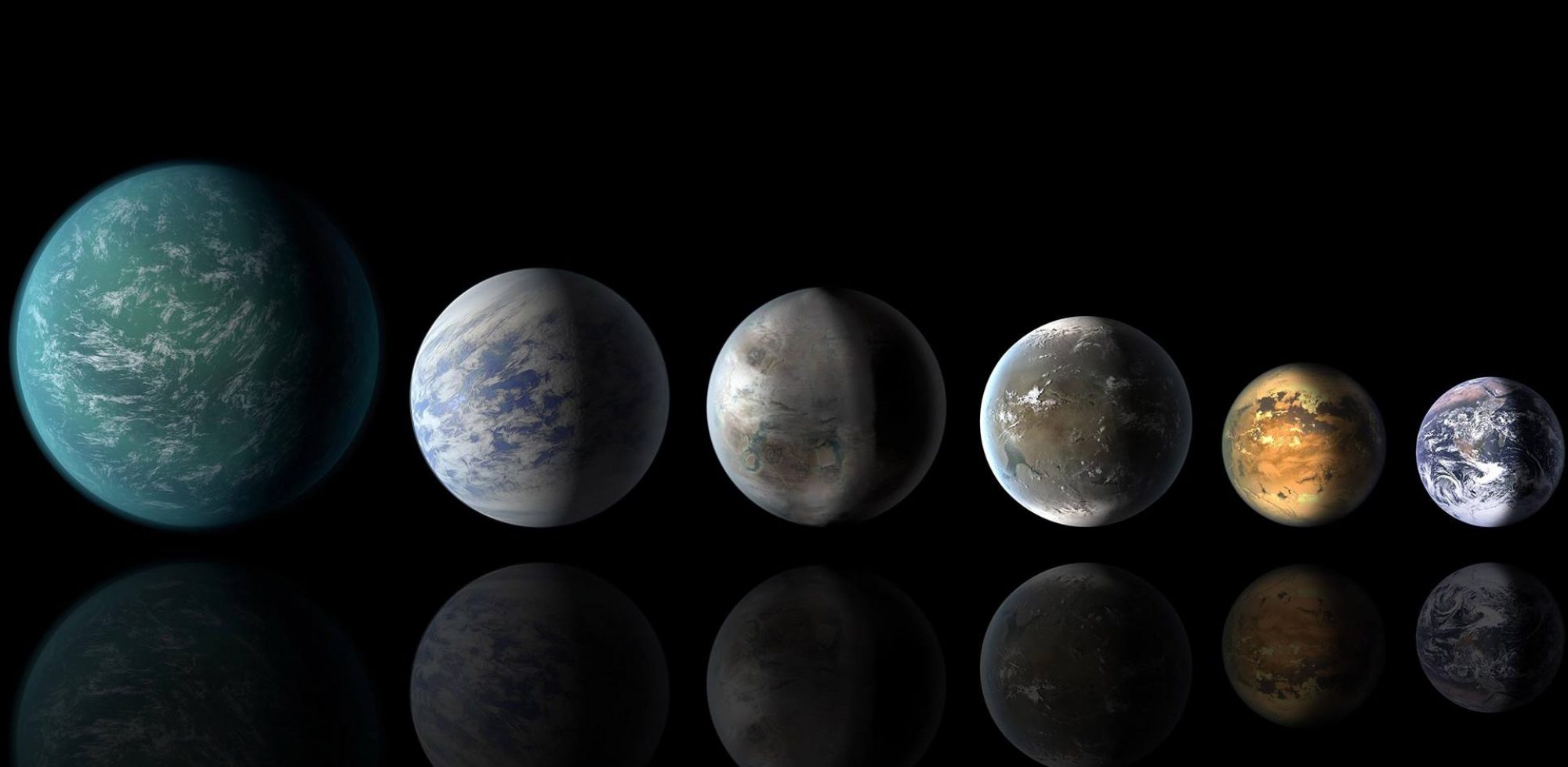
This column was written by my colleague Elizabeth Tasker, now at the Japan Aerospace Exploration Agency (JAXA), Institute of Space and Astronautical Sciences (ISAS). Trained as an astrophysicist, she researches planet and galaxy formation and also writes on space science topics. Her book, "The Planet Factory," came out last year. On January 5, 2010, NASA …
The Ever More Puzzling, And Intriguing, "Tabby’s Star."
Substantial, sun-like stars are not supposed to dim. They start with gravity and pressure induced nuclear reactions, and then they burn brighter and brighter until they either explode (go supernova) or burn all their fuel and become small, enormously dense, and not very bright "white dwarfs." Of course, the transit technique of searching for exoplanets …
Continue reading "The Ever More Puzzling, And Intriguing, "Tabby’s Star.""
The Ever More Puzzling, And Intriguing, "Tabby's Star."
Substantial, sun-like stars are not supposed to dim. They start with gravity and pressure induced nuclear reactions, and then they burn brighter and brighter until they either explode (go supernova) or burn all their fuel and become small, enormously dense, and not very bright "white dwarfs." Of course, the transit technique of searching for exoplanets …
Continue reading "The Ever More Puzzling, And Intriguing, "Tabby's Star.""
Rocky, Close and Potentially Habitable Planets Around a Dwarf Star
Forty light-years away is no small distance. But an announcement of the discovery of two planets at that separation that have been determined to be rocky and Earth-sized adds a significant new twist to the ever-growing collection of relatively close-by exoplanets that just might be habitable. The two planets in the TRAPPIST-1 system orbit what …
Continue reading "Rocky, Close and Potentially Habitable Planets Around a Dwarf Star"
Rocky, Close and Potentially Habitable Planets Around a Dwarf Star
Forty light-years away is no small distance. But an announcement of the discovery of two planets at that separation that have been determined to be rocky and Earth-sized adds a significant new twist to the ever-growing collection of relatively close-by exoplanets that just might be habitable. The two planets in the TRAPPIST-1 system orbit what …
Continue reading "Rocky, Close and Potentially Habitable Planets Around a Dwarf Star"
Hunting for Exoplanets Via TESS
Seven years ago this month the Kepler spacecraft launched into space – the first NASA mission dedicated to searching for planets around distant stars. The goal was to conduct a census of these exoplanets, to learn whether planets are common or rare. And in particular, to understand whether planets like Earth are common or …
 Many Worlds